Insights
From project experience
to reusable engineering logic.
Frameworks, interactive models and regional analysis. Mostly MENA, always through the lens of early-phase decisions.
Production data
Who is producing, month by month.
Crude oil production by country, refreshed monthly. Top producers shown, the rest summed. Filter by period and region; click countries in the table to compare your own selection.
Loading production data…
Evgeny’s note · October 2026 · data to September 2026
Middle East crude output fell from 28.7 mb/d in February to 15.8 mb/d in May 2026, and by September had recovered to about 21.8 mb/d, still a quarter below its pre-crisis level. The reservoirs did not change; the export routes did. At the low point, producers with a pipeline around Hormuz kept most of their output (Saudi Arabia via Yanbu about 62%, the UAE via Fujairah about 65%), while those without a bypass kept far less (Iraq about 30%, Kuwait about 20%, Qatar and Bahrain under 20%). Oman, which loads outside the Strait, produced more than before.
The recovery is uneven. By September the UAE was back to about 98% of its February level and Iraq to about 84%, but Kuwait was at about 61% and Qatar at about 41%, and Iran was still falling. Restart time is not the same as recovered deliverability.
For FEL work this is the point: nameplate capacity is not exportable production, and the route to market belongs in the concept, not in the risk register.
All countries
| # | Country | Region | Latest month | Last 12 m avg | vs prior 12 m |
|---|
Interactive models
Move the levers.
Move the inputs and watch the binding constraint migrate. Open any model to use it full screen.
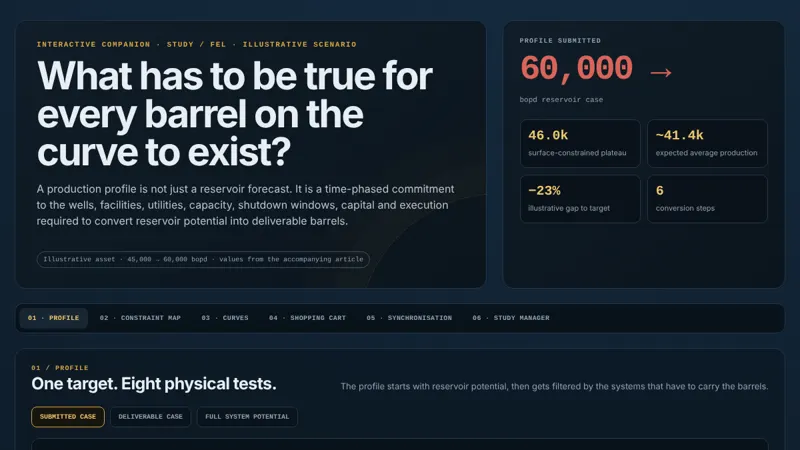
Move water cut, target rate and availability and watch the binding surface constraint migrate: water handling, compression, separation, power.
Open the model →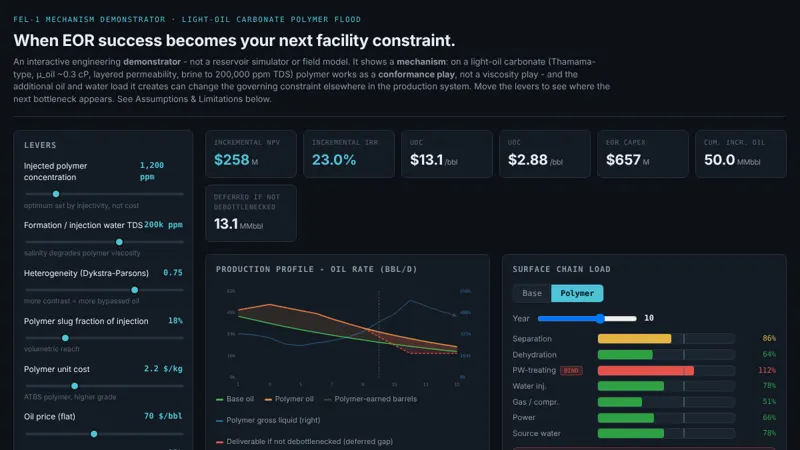
Polymer flooding on a light-oil carbonate: concentration, injectivity limit, surface de-rating, CAPEX and NPV on one screen.
Open the model →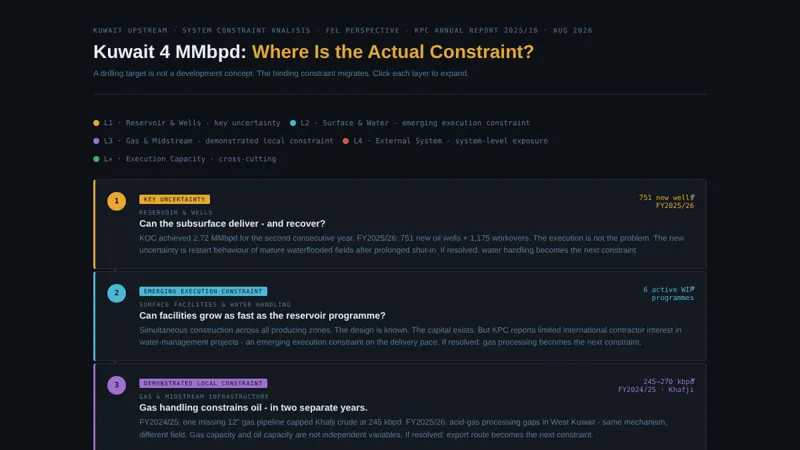
Four system layers from reservoir to export. Click each layer to see where the binding constraint sits and how it migrates as capacity is added.
Open the model →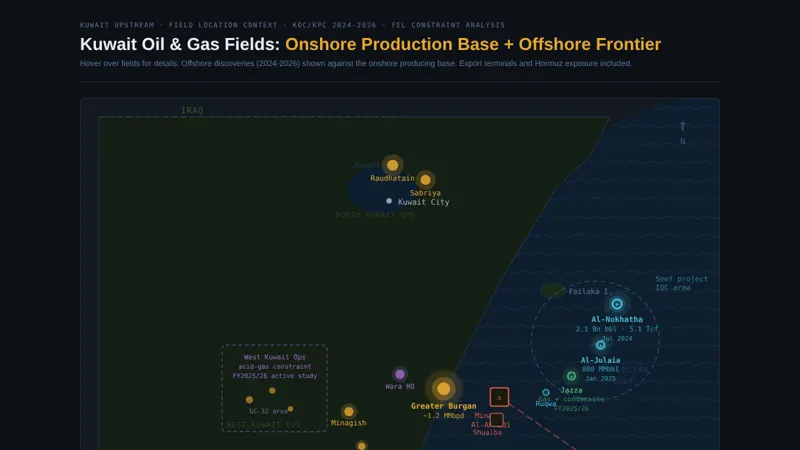
The onshore producing base against the 2024–2026 offshore discoveries, with export terminals and Hormuz exposure. Hover over fields for details.
Open the model →Frameworks
How I approach front-end decisions.
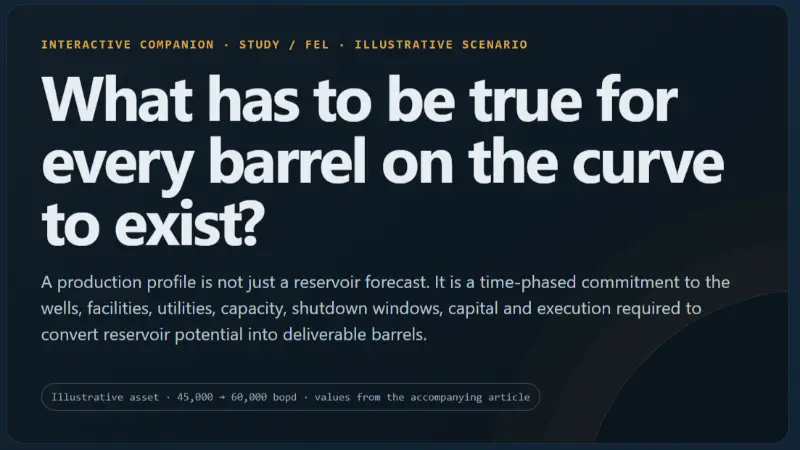
The profile in the corporate plan is a procurement plan for physical capacity. Each barrel has to be bought as water handling, compression, separation or power.
Read article →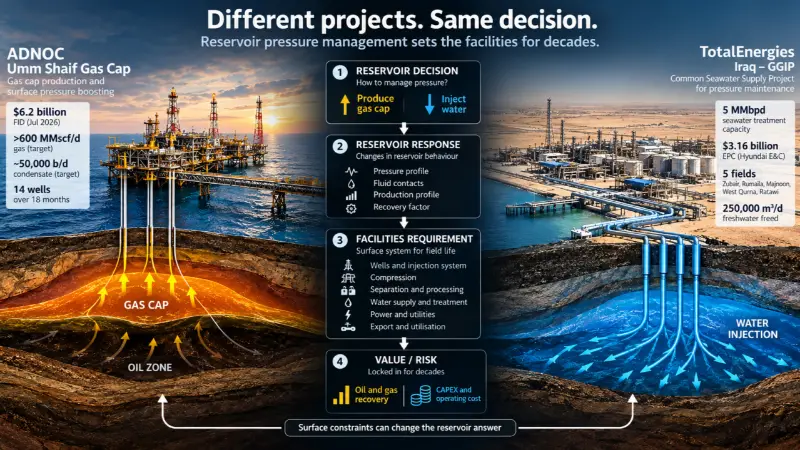
Umm Shaif and southern Iraq's seawater project, two sides of the same FEL problem: who owns the pressure-maintenance decision between subsurface and facilities.
Read article →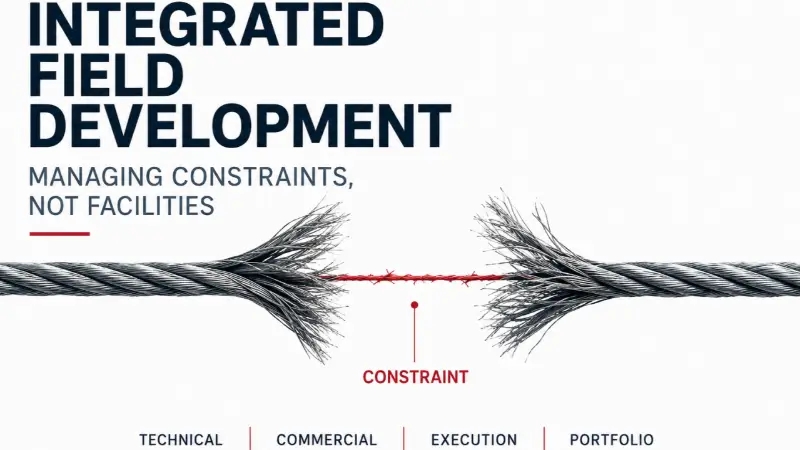
Why synchronisation, not infrastructure, determines project value long before first oil.
Read article →
The risk that sits between projects: shared infrastructure, execution capacity and capital that no single project team is accountable for.
Read article →
Lessons from 50+ early-phase projects on mature and new onshore assets: the decisions that set a brownfield project's outcome before FEED.
Read article →Regional analysis
Reading the news as an early-phase engineer.
Public deals and announcements, and the front-end questions behind them.
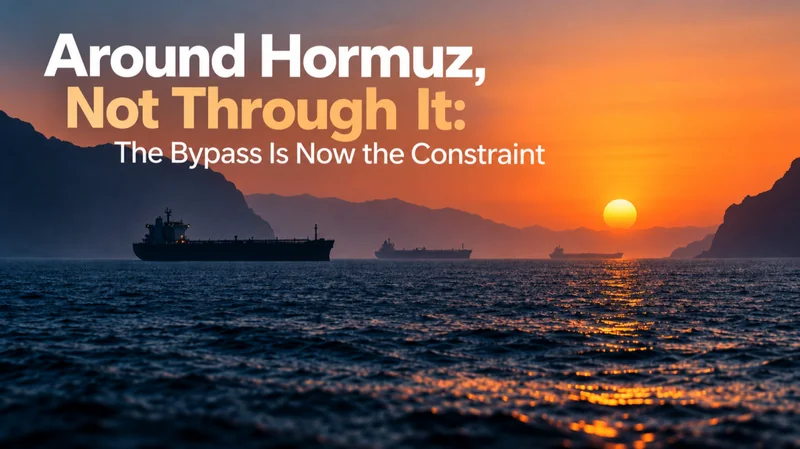
Gulf exports are back above 80% of pre-war levels, but via bypass routes. An export route is a system of pipeline, storage, terminals and vessels, and each can bind.
Read article →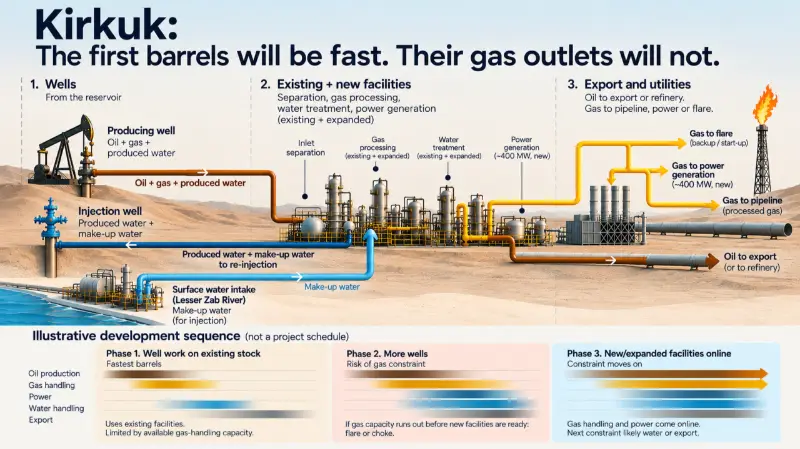
Kirkuk is going from 320,000 to 420,000 bpd. The first barrels come quickly from existing wells, but the outlets for their gas take years. The real question is sequencing.
Read article →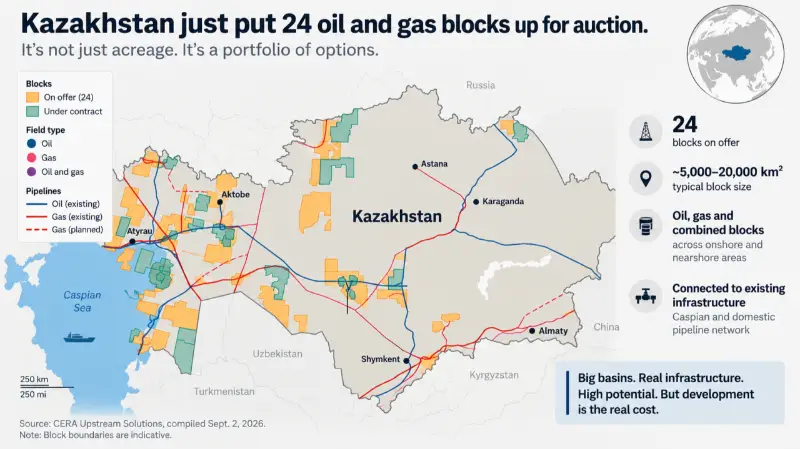
An auction of options, not acreage: a cheap entry ticket, an expensive strike price, and constraints that move from geology to wells, surface and export.
Read article →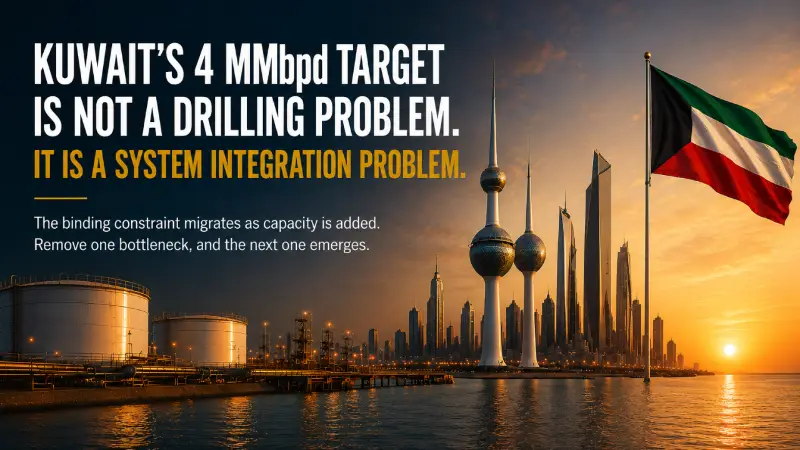
From 2.72 to 4.0 MMbpd is a system integration problem. Gas handling already caps crude output, and the next bottleneck is created by today's investment.
Read article →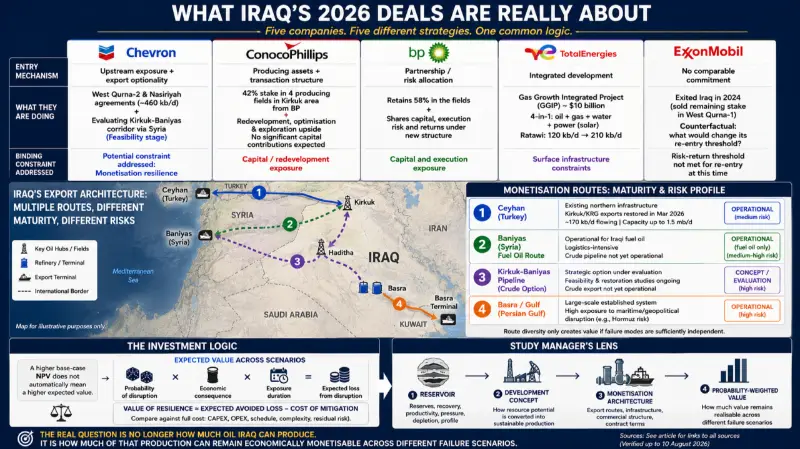
Five companies, five different strategies, one common logic behind the wave of upstream agreements signed in Iraq this year.
Read article →
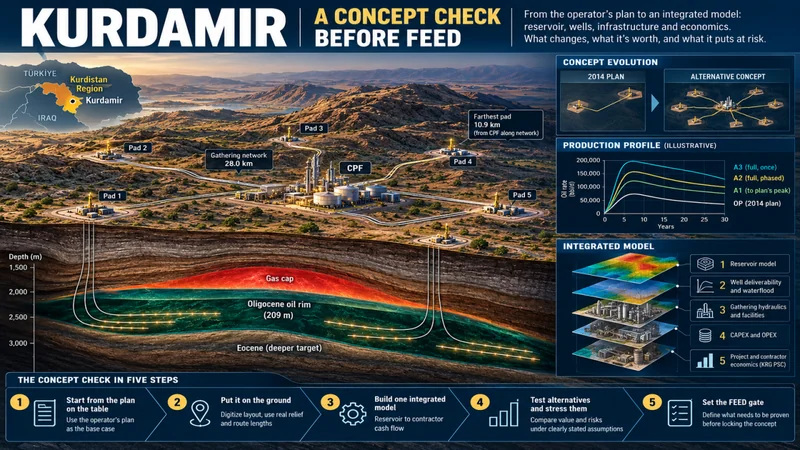
Project value depends on more than reserves. In Kurdistan, two variables outside engineering can make or break the investment case.
Read article →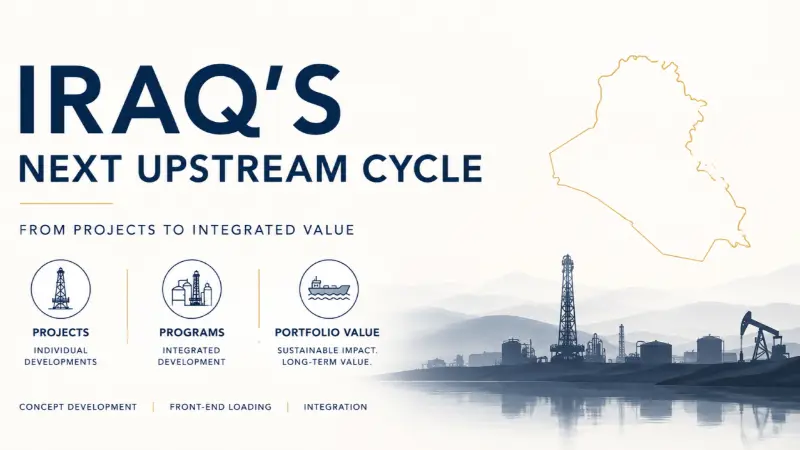
A white paper on brownfield redevelopment, infrastructure constraints and why program integration, not individual projects, decides value in Iraq's new cycle.
Read article →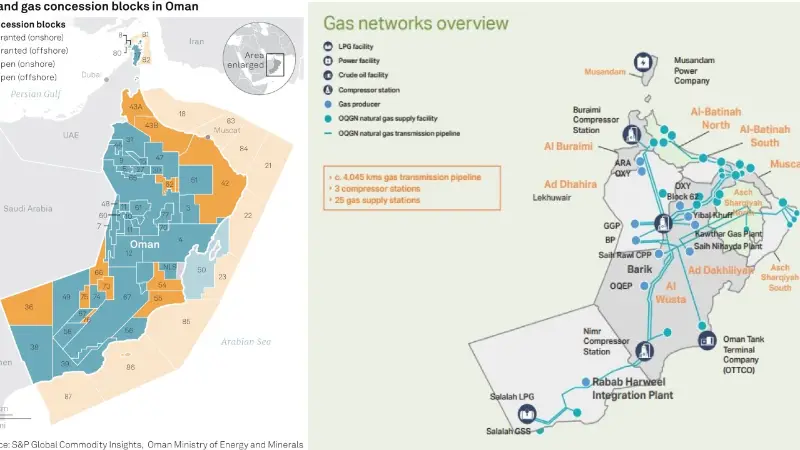
Block-by-block history, the brownfield-adjacent versus greenfield split, and what it means for FEL scope and the timing of front-end hiring.
Read article →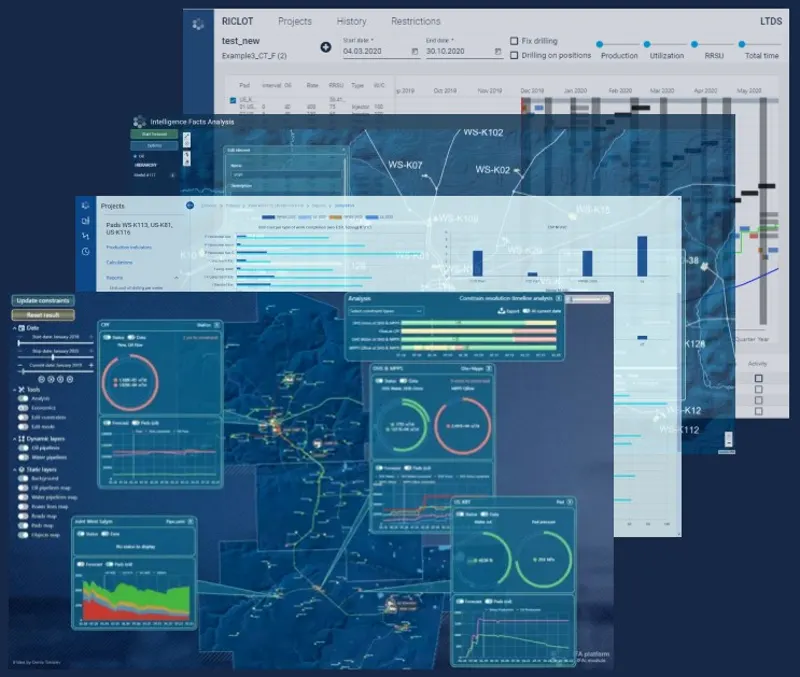
Lessons from building a digital oilfield MVP that linked SmartField data, PETEX GAP models and GIS with field systems.
Read article →